
12 Super Foods That'll Help Achieve Glowing Skin
Healthy looking skin is influenced by many factors, including genetics, environment, skincare habits, and nutrition. While topical products play a visible role, what you eat influences the nutrients your skin relies on to maintain its structure and barrier over time. Dermatology research consistently shows that skin is affected by systemic health, including diet quality and nutrient intake, even though food alone cannot treat skin conditions.
This guide explains foods commonly associated with glowing skin, the nutrients they contain, and realistic expectations around what diet can and cannot do for skin appearance. These foods support overall wellness and can complement consistent skincare and sun protection.
Key Takeaways
- A nutrient-dense diet supports overall skin appearance but does not replace skincare, sun protection, or medical advice.
- Antioxidant-rich foods, healthy fats, and essential minerals support normal skin maintenance.
- Whole foods contribute to gradual, long-term skin support rather than instant results.
- Persistent or severe skin concerns should be evaluated by a qualified medical professional.
Customer Favorites
Shop Best-Selling AHA Skincare
Discover the customer favorites shoppers keep coming back for, formulated to help skin look smoother, healthier, and more radiant.
See Best Selling Products
How Nutrition Relates to Skin Appearance
Skin is a metabolically active organ that depends on a steady supply of nutrients to support normal turnover, barrier integrity, and antioxidant defenses. The American Academy of Dermatology notes that a healthy diet promotes healthy skin, and recommends plenty of fruits and vegetables, lean proteins, and healthy fats as part of that foundation, though it does not replace medical care or topical treatment. (American Academy of Dermatology)
Skin as a Reflection of Internal Processes
Skin cells constantly renew. This renewal relies on protein, essential fatty acids, vitamins, and trace minerals. When overall nutrition is lacking, the skin may appear drier, duller, or less resilient, especially in people already prone to barrier disruption.
Oxidative Stress and Environmental Exposure
Sun exposure, pollution, and daily stress contribute to oxidative stress, which is associated with premature visible aging. Antioxidant-rich foods help support the body’s natural defense systems. This nutritional support complements, but never replaces, sunscreen, protective clothing, and dermatologic guidance.
Hydration Starts Inside the Body
Hydration is not only about water intake. Skin comfort and moisture retention also relate to barrier lipids and overall nutrition. Diets that include unsaturated fats and fiber-rich plants can support skin that looks more comfortable and less flaky.
12 Super Foods That'll Help Achieve Glowing Skin
1. Blueberries and Other Deep-Colored Berries

Blueberries are frequently highlighted in discussions about skin-supportive diets due to their antioxidant profile and nutrient density.
Anthocyanins and Antioxidant Support
The deep blue-purple color of blueberries comes from anthocyanins, plant compounds known for antioxidant activity. Antioxidants help the body manage oxidative stress, one factor associated with visible skin aging.
Circulation and Skin Vitality
Fruits and vegetables are associated with cardiovascular wellness, which supports circulation. Healthy circulation helps deliver oxygen and nutrients to the skin, contributing to a more refreshed appearance over time.
Practical Ways to Include Berries
Fresh or frozen blueberries can be added to oatmeal, yogurt, or smoothies. Consistent intake as part of a varied diet is more meaningful than occasional or topical DIY applications.
2. Salmon and Omega Fatty Acids

Fatty fish such as salmon are valued for their omega-3 fatty acids, which are structural components of cell membranes.
Omega-3s and Skin Barrier Support
Omega-3 fatty acids contribute to the skin’s lipid barrier. Research summarized by the National Institutes of Health notes that omega-3s play roles in inflammatory regulation and cell membrane structure, which may support skin hydration in some individuals.
Inflammation and Skin Comfort
Omega-3s are widely studied for their involvement in inflammatory pathways. Diets that include omega-3 rich foods may support more comfortable looking skin, particularly when paired with gentle skincare and sun protection.
Nutrient Density Beyond Skin
Salmon also provides protein, B vitamins, and vitamin D. These nutrients support general tissue maintenance, which indirectly influences skin appearance.
3. Avocados and Healthy Fats

Avocados are a fruit rich in monounsaturated fats and several nutrients associated with skin barrier support.
Lipids and Moisture Retention
Dietary fats help support healthy cell membranes. When barrier lipids are supported internally, skin may feel less tight and look less dull over time, though moisturizers remain essential.
Vitamin E and Antioxidant Support
Avocados provide vitamin E, a fat-soluble antioxidant that helps protect cells from oxidative stress. The Mayo Clinic notes that vitamin E from foods is generally preferred over supplementation for most people.
Diet Versus Topical Use
While avocado masks are popular, consuming avocados is a more reliable way to obtain their nutrients. Topical use should always be patch tested.
4. Spinach and Leafy Greens

Dark leafy greens like spinach offer a broad range of micronutrients that support normal tissue maintenance.
Folate, Magnesium, and Skin Turnover
Folate supports normal cell division, while magnesium is involved in hundreds of enzymatic processes. Together, they help maintain the nutritional foundation needed for regular skin renewal.
Beta Carotene and Skin Tone Support
Spinach contains beta carotene, which the body converts into vitamin A as needed. Vitamin A supports normal skin structure, but increasing vitamin A from food is not a treatment for acne or hyperpigmentation.
Supporting Oily or Congested Skin
Fiber-rich vegetables support digestive health. While gut health and skin are often discussed together, improvements are gradual and vary by individual.
5. Kale as a Vitamin C Rich Green
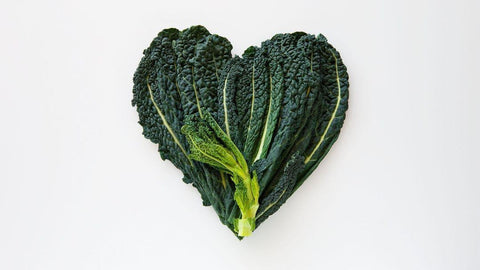
Kale contributes vitamin C and antioxidants, and can help support consistent vitamin C intake when eaten regularly. (USDA SNAP-Ed)
Vitamin C and Collagen Integrity
Vitamin C is required for normal collagen formation. Collagen helps maintain skin firmness and structure. Adequate intake supports maintenance rather than reversing aging.
Omega-3 Content in Plant Form
Kale contains small amounts of alpha-linolenic acid, contributing modestly to overall omega-3 intake.
Long-Term Dietary Consistency
Including kale regularly supports nutrient consistency, which matters more than any single meal.
6. Sweet Potatoes and Carotenoids

Sweet potatoes are rich in carotenoids, fiber, and essential vitamins.
Beta Carotene and the Skin’s Response to Sun Exposure
Dietary carotenoids can modestly increase the skin’s baseline resistance to UV-induced erythema (sunburn) over time, but this effect is not comparable to sunscreen and does not prevent sunburn on its own. (Photoprotection by dietary carotenoids, PubMed)
Nutrient Density for Skin Resilience
Sweet potatoes provide beta carotene, vitamin C, potassium, and fiber, supporting overall wellness that can reflect in the skin.
Balanced Consumption Matters
As a starchy food, sweet potatoes are best enjoyed as part of balanced meals.
7. Brown Rice and Whole Grains

Whole grains provide fiber, minerals, and antioxidants that support overall health.
Skin Barrier Support and Whole Grain Nutrients
Whole grains contain B vitamins and minerals that support metabolism and tissue maintenance. Their contribution to skin health is indirect but meaningful over time.
Protein and Tissue Support
Whole grains add small amounts of protein that complement other dietary protein sources.
Fiber and Digestive Support
Fiber supports regular digestion. Balanced digestion and reduced systemic stress can influence skin comfort.
8. Oysters and Zinc Intake

Oysters are among the most concentrated dietary sources of zinc.
Zinc and Normal Skin Maintenance
Zinc supports immune function and normal tissue repair. The NIH Office of Dietary Supplements notes that adequate zinc intake supports normal skin maintenance.
Oil Balance and Breakout-Prone Skin
Zinc is often discussed in acne contexts, but diet alone does not treat acne. Persistent breakouts require professional evaluation.
Moderation and Food Safety
Shellfish should be sourced carefully and cooked properly to reduce food safety risks.
9. Carrots and Vitamin A Precursors

Carrots are rich in beta carotene, a vitamin A precursor.
Skin Structure and Tone
Vitamin A supports normal skin cell function. Obtaining it from beta carotene-rich foods is generally safe for most people.
Antioxidant Defense
Carotenoids provide antioxidant activity that supports the body’s defenses against oxidative stress.
A Note on Supplements and Safety
High-dose vitamin A supplements can pose risks, including during pregnancy. Whole food sources are typically preferred.
10. Oats and Skin Comfort

Oats are a nutrient-dense whole grain that supports overall balance.
Fiber and Overall Balance
Oats provide soluble fiber, supporting digestive health and steady energy levels.
Skin Texture and Elasticity
Oats supply minerals and plant compounds that support normal tissue maintenance. Visible effects are subtle and gradual.
Sensitivity and Dryness Considerations
Topical colloidal oatmeal is commonly used for dry or sensitive skin, while dietary oats support the body systemically.
11. Nuts and Seeds for Essential Minerals

Nuts and seeds offer healthy fats, minerals, and protein.
Zinc, Selenium, and Antioxidant Systems
Many nuts and seeds provide zinc and selenium, supporting antioxidant enzyme systems in the body.
Fatty Acids and Skin Smoothness
Walnuts, flax, chia, and almonds provide fatty acids and vitamin E that support healthy cell membranes.
Portion Awareness
Because nuts are calorie dense, moderate portions are sufficient.
12. Dark Chocolate and Cocoa Compounds

Dark chocolate with higher cocoa content contains flavanols and polyphenols.
Flavanols and Skin Hydration Research
Some clinical studies suggest cocoa flavanols may support skin hydration and elasticity in specific populations, though results vary widely based on formulation and intake. (High-flavanol chocolate trial, PubMed)
Antioxidant Support
Cocoa polyphenols support the body’s antioxidant defenses, one factor associated with visible aging.
Quality and Moderation
Higher cocoa content and lower added sugar align better with overall wellness goals.
Nutrition and Skincare Work Together
Diet supports skin from within, while topical skincare focuses on the surface barrier. Nonie of Beverly Hills creates cosmetic skincare designed to complement healthy habits, not replace nutrition or medical care.
Alpha hydroxy acids are commonly used in cosmetic products to exfoliate the skin’s surface and improve the appearance of texture and brightness. To explore how AHA products fit into a routine, see Nonie of Beverly Hills’ AHA skincare collections.
Explore AHA Skincare with Nonie of Beverly Hills
Nutrition sets the foundation, and skincare refines the surface. Nonie of Beverly Hills offers AHA-based cleansers, tonics, moisturizers, and sun protection designed to support smoother, brighter looking skin when used consistently.
You can browse the full range on the Nonie of Beverly Hills homepage or explore targeted solutions within the women’s AHA skincare collection.

Sources
American Academy of Dermatology on healthy eating for healthy skin
NIH Office of Dietary Supplements Omega-3 Fatty Acids
NIH Office of Dietary Supplements Zinc
Photoprotection by dietary carotenoids (PubMed)